

Steel Gas Cylinder Valve Guard from China in Routine Cylinder Handling: What Buyers Need to Know

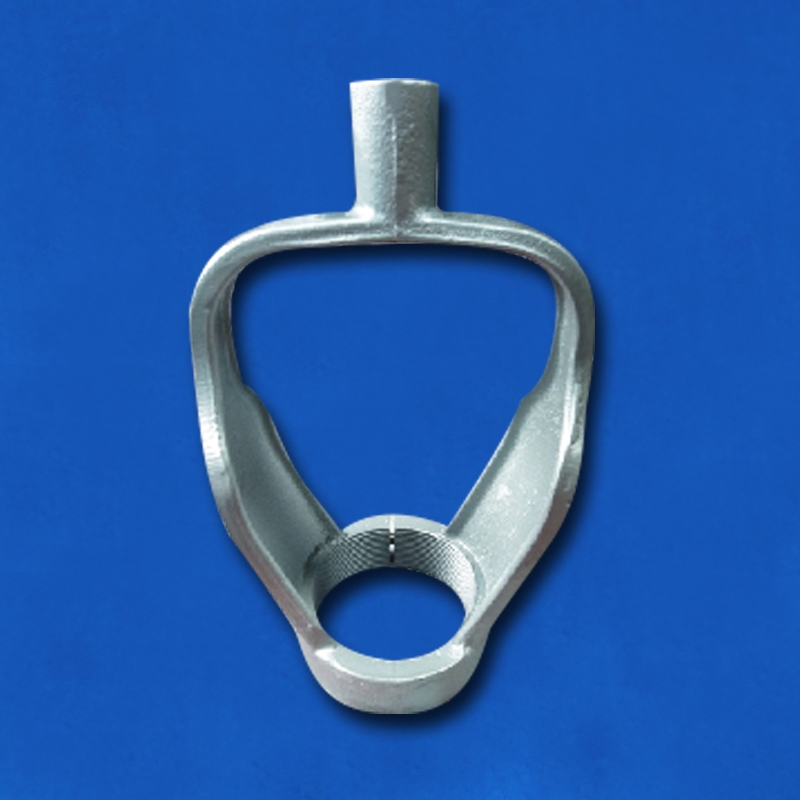
Throughout daily distribution, filling, and jobsite usage, compressed gas cylinders undergo relentless mechanical stresses. Unlike stationary pressure vessels, mobile industrial gas cylinders are rolled manually across rough concrete surfaces, loaded into transport trucks, subjected to chronic road vibrations, and hoisted onto construction scaffolds. When an unshielded cylinder falls, the top-heavy vessel pivots, concentrating immense kinetic energy onto the vulnerable valve stem upon impact. Understanding the structural mechanics, material properties, and manufacturing controls behind steel valve guards enables procurement managers to specify robust protection that ensures fleet safety.
Impact Mechanics During Cylinder Churn, Rolling, and Transit
Cylinders encounter severe kinetic stresses throughout their operating lifecycles. During long-haul truck transport, rough roadway conditions and emergency braking cause adjacent cylinders to churn violently against one another inside truck beds. This inter-cylinder churning generates localized impact forces and abrasive contact along the upper collars. If transport restraining straps loosen or if a palletized pack shifts during transit, these recurring glancing blows can distort poorly engineered guards or crack inferior welds.
If an unrestrained cylinder tips over in a distribution yard or customer facility, kinetic energy concentrates almost entirely at the top collar upon impact. A high-pressure steel cylinder weighing upwards of 60 to 80 kilograms acts as a massive lever arm during an accidental tip-over. As the vessel hits the ground, the impact velocity generates peak dynamic shear forces that exceed the yield strength of standard brass valve bodies.
A steel valve guard functions as a protective roll cage surrounding the valve assembly. The guard's structural uprights and overhead crown absorb and redistribute impact energy into the cylinder neck ring and heavy shoulder forged into the pressure vessel.
Kinetic Energy Absorption and Overhead Crown Geometry
This dynamic deflection ensures that the valve body, handwheel, and pressure relief valve remain shielded from direct shock loads. Sourcing engineers select reinforced crown profiles with generous radius contours to withstand repeated handling shocks in distribution centers. Through engineered elastic or rigid deflection, the crown prevents concrete edges, curbs, or structural steel beams from intruding into the internal valve safety envelope.
Cast Steel vs Stamped Welded Guard Construction
China manufacturers utilize two primary metal fabrication methods for steel valve guards: precision steel casting and stamped welded construction. Sourcing managers must evaluate which manufacturing process best suits their fleet handling requirements and budgetary constraints.
Cast steel guards are produced from carbon steel or ductile iron alloys poured into precision sand or investment molds. This monolithic manufacturing technique yields high structural rigidity and seamless impact webs without welded joints. Cast steel guards provide substantial wall thickness across structural pillars, delivering superior resistance against crushing loads and mechanical impacts. For harsh mining operations, offshore drilling rigs, and shipyards, monolithic cast steel guards provide an unyielding physical barrier.
Stamped welded guards utilize high-strength formed steel plates joined via automated robotic welding. This fabrication method provides a cost-effective, ductile alternative for standard industrial distribution fleets. Deep-drawn stamped components offer uniform grain structure and superior elongation properties, absorbing kinetic energy through controlled plastic yield rather than rigid deflection. Stamped welded guards are lighter in weight, reducing manual handling fatigue during depot rolling while lowering freight shipping weights.
Guard Construction and Mechanical Property Comparison
Comparing structural characteristics and performance metrics enables sourcing teams to select the appropriate guard construction for their operating conditions. Sourcing teams evaluate five primary engineering parameters across fleet operational environments:
Structural Architecture: Monolithic cast steel provides seamless shock absorption without weld lines, while formed plate with welded uprights offers versatile fabrication for standard distribution fleets.
Impact Energy Dissipation: Cast steel guards deflect rigid shocks without deforming, whereas stamped steel dissipates kinetic energy through controlled plate yield and buckling.
Wall Section Uniformity: Steel casting allows engineered thicker reinforcement webs around the crown and pillars, whereas stamped designs maintain uniform rolled sheet thickness throughout.
Ergonomic Grip Contours: Smooth integrated rounded handles assist safe rolling on cast guards, while stamped guards utilize formed tubular handle edges.
Tooling Adaptability: Stamped welded construction allows lower minimum order quantities and faster die setup for custom fleet dimensions, whereas cast tooling requires dedicated foundry pattern preparation.
Collar Thread Mounting Security Under Continuous Vibration
Collar thread precision represents the primary mechanical prerequisite for long-term guard reliability. A valve guard must screw tightly onto the cylinder collar neck ring without loosening under chronic transport vibration. If a guard develops loose play during transit, repeated road vibrations induce thread fretting and micro-movement. Loose guards wobble during handling, compromising impact alignment and causing severe thread stripping on the cylinder collar.
Established manufacturers maintain dedicated CNC machining centers for international thread specifications. Standard profiles encompass Whitworth forms such as W80 and W3-1/8, alongside heavy metric M120 collar threads. Hardened Go and No-Go gauges ensure exact pitch tolerances, preventing guards from loosening under severe roadway transit vibration.
Procurement managers should audit four critical quality inspection milestones when sourcing steel guards:
Inspect incoming raw steel mill test reports to confirm chemical composition, carbon content, and minimum tensile yield strength.
Verify internal collar thread dimensions and lead chamfers using calibrated thread plug gauges to eliminate loose tolerances.
Conduct three-dimensional coordinate measuring machine checks to confirm lateral clearance around standard valve models.
Review third-party drop test documentation to confirm impact resistance compliance with international standards like ISO 11117.
Corrosion Resistance and Surface Durability for Open-Air Depots
Industrial gas cylinders often remain stored in open depot yards, exposed to seasonal rain, marine salt fog, and abrasive grit. Inadequate surface protection results in rapid steel oxidation, causing thread seizure and unsightly rust staining on cylinder shoulders. When rust penetrates internal collar threads, removing or adjusting the guard becomes nearly impossible without torch heating or destructive cutting tools.
Qualified manufacturers operate automated finishing lines providing electrophoretic priming, hot-dip galvanizing, and electrostatic powder coating. Cathodic electrophoretic deposition coats deep internal thread roots uniformly, preventing thread binding without building excessive paint thickness. Exterior polyester powder coating provides thick, UV-stable barrier protection and supports custom fleet color matching, ensuring that guards maintain professional corporate branding across years of harsh outdoor weathering.
Frequently Asked Questions About Steel Valve Guards
Procurement teams frequently clarify crane lifting certifications, collar threads, and casting methods when sourcing steel valve guards. The following direct answers address key technical and operational questions for fleet buyers.
How do steel valve guards differ from traditional removable cylinder caps?
Steel guards remain permanently installed during gas filling and dispensing, whereas traditional caps must be removed to access the valve controls.
Are steel valve guards from China certified for mechanical crane lifting?
Only guards explicitly designed, tested, and certified for lifting under standards like ISO 11117 may support mechanical crane hoist lifting.
What collar thread specifications are most widely used on steel guards?
Most industrial gas cylinders utilize Whitworth 11-TPI collar profiles, particularly W80 and W3-1/8 dimensions, or heavy metric M120 connections. Experienced manufacturing plants calibrate tooling with hardened plug gauges to ensure tight thread engagement.
How does cast steel compare with ductile cast iron for valve guards?
Cast steel offers superior tensile strength and impact ductility compared to cast iron, reducing the risk of brittle fracture in freezing temperatures.
What is the typical lead time for volume orders from a China factory?
Volume production batches typically complete within 15 to 20 days following sample approval and formal contract confirmation.
Sourcing a Steel Gas Cylinder Valve Guard from China
Selecting a qualified China manufacturer for steel gas cylinder valve guards ensures your fleet maintains high safety standards while optimizing handling productivity. Auditing steel forming processes, thread machining precision, and certified impact testing guarantees reliable equipment performance throughout routine cylinder handling.
As an experienced manufacturer specializing in cylinder safety hardware, Qizheng produces heavy-duty cast steel and stamped welded valve guards designed for demanding distribution environments. Supported by its production base, Hangzhou Fuyang Hexing Machinery Co., Ltd., Qizheng pairs high-tonnage hydraulic presses and precision welding lines with an ISO 9001:2015 quality management system. Tested in accordance with ISO 11117 impact and crane lifting standards, Qizheng's protective guards safeguard fleets for leading cylinder makers such as BTIC and global gas distributors. Visit https://www.gascylindercap.com/ or contact our technical specialists to evaluate collar mounting options, review structural specifications, and request evaluation samples.
Hangzhou Qizheng Trading Co., Ltd.
Qizheng
Visit us on social media:
LinkedIn
Instagram
Facebook
YouTube
X
Legal Disclaimer:
EIN Presswire provides this news content "as is" without warranty of any kind. We do not accept any responsibility or liability for the accuracy, content, images, videos, licenses, completeness, legality, or reliability of the information contained in this article. If you have any complaints or copyright issues related to this article, kindly contact the author above.
